

How To Get Rid Of Cat Hairballs (What Helped My Cat)
At first, I thought the hairballs were normal.
I mean… cats throw up hairballs sometimes, right?
That’s what I always heard.
So when Milo started gagging every once in a while, I didn’t think much about it. I figured it was just one of those random cat things that happens sometimes (even though hearing that sound in the middle of the night is honestly awful).
But then it kept happening.
More often than before.
And eventually, I started noticing something that didn’t feel normal anymore.
Sometimes he wasn’t even throwing anything up.
He would crouch down, start gagging, make that horrible hacking sound… and then nothing would come out.
That’s when I started asking myself something I probably should have asked sooner.
“Why does my cat keep throwing up hairballs?”
Because at some point, it stopped feeling random.
What Was Actually Causing It
Once I started paying closer attention, the pattern became easier to notice.
Milo was shedding way more than I realized. Every time he groomed himself, he was swallowing loose fur. Most of the time, that fur should pass through the digestive system without turning into a whole situation.
But when too much fur starts collecting, that’s when the gagging, hacking, coughing, and throwing up can start happening.
That explained a lot.
The awful gagging sound.
The coughing.
The random vomiting.
Even the moments where he looked uncomfortable but nothing came out.
At first, I thought the hairballs themselves were the problem.
But the real issue was all the loose fur building up over time.
Once I understood that, I stopped looking at hairballs like some random cat thing and started looking at them more like a buildup problem.
And that changed how I tried to handle it.
The Signs I Didn’t Think Much Of
Looking back, there were a few signs that showed up before things got worse.
Milo was grooming himself constantly, and there always seemed to be loose fur around the house. The gagging started happening more often too, especially after he had been cleaning himself for a while.
Sometimes he would stop what he was doing just to crouch down and hack for a few seconds.
At first, those moments didn’t seem serious.
But when they started repeating over and over again, it became obvious something wasn’t moving through his system the way it should.
That’s when I knew I needed to stop reacting to the hairballs after they happened and actually focus on what was causing them.
What Actually Made The Biggest Difference
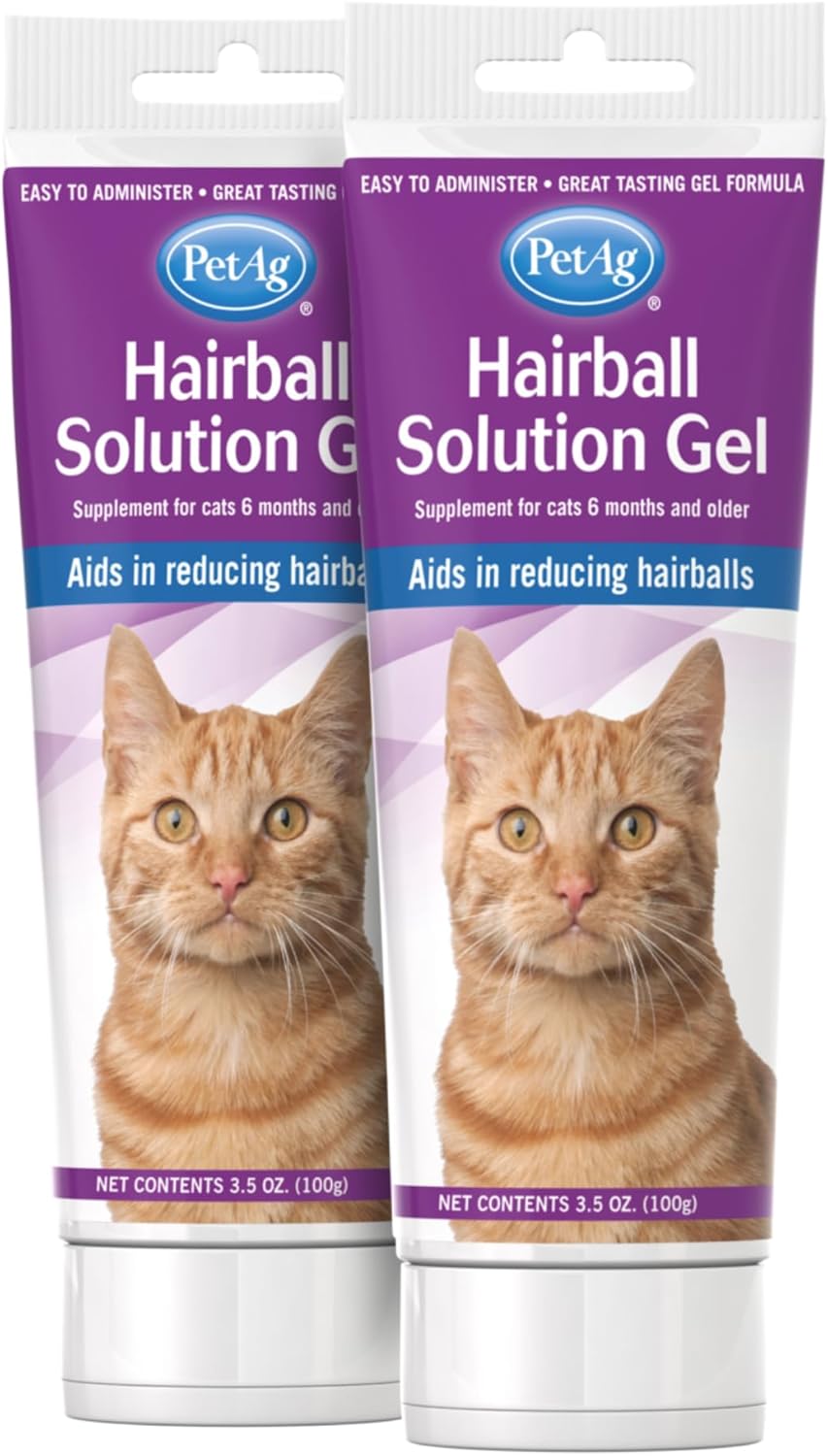
The product that made the biggest difference for Milo was PetAg Hairball Natural Solution Hairball Gel.
This was the product I used when the gagging and hacking moments were becoming more noticeable. What made this Hairball Gel stand out is that it was made for the exact problem I was trying to manage: hairball control.
The way I understood it, the gel helps support swallowed fur moving through the digestive system more smoothly instead of letting it become a bigger issue later. That made it feel more direct than a regular treat or coat supplement.
It had a clear job.
Help the fur move through.
Support hairball control.
Make those uncomfortable gagging and hacking moments less likely to keep turning into the same cycle.
But the part that really surprised me was how well Milo accepted it.
With cats, taste can make or break the whole routine. A product can sound perfect, but if your cat hates it, you are not going to get very far with it.
This Hairball Gel was different.
Milo actually liked the taste, which made it so much easier to use consistently. I did not have to fight him every time or turn it into some dramatic routine. He would lick it up much easier than I expected, and that made the gel feel realistic to keep using.
That mattered because the gel worked best as part of a routine, not as something I only thought about once and then forgot.
During heavier shedding periods, or when I noticed Milo starting to have those uncomfortable moments again, this Hairball Gel felt like the most direct support product I had. It was specific, easy enough to give, and Milo actually wanted to take it.
That combination is what made it feel different.
It was not just a product that claimed to help with hairballs.
It was a product that matched the problem, made sense in the routine, and was easy enough for Milo to accept without a fight.

Why I Liked This Hairball Gel
- Helps lubricate swallowed fur so it can move through the digestive system more easily
- Supports healthy movement of fur before it has a chance to build up
- Easy to use consistently as part of a regular routine
- Milo accepted the taste and texture much better than I expected
- Helpful for cats that shed heavily or groom frequently
- Can help reduce the gagging and hacking that often comes with fur buildup
- Focuses on prevention instead of only reacting after problems appear
What Helped Me Stay Ahead Of The Problem
After things started calming down, I added Rocco & Roxie Hairball Treatment for Cats.
What made these Hairball Treats worth using was how specific they were. They are made for hairball support, furball control, digestive health, and reducing hairball formation over time. That was exactly the type of support I wanted to keep in Milo’s routine.
The biggest reason I liked them is because they focused on the digestive side of hairball control. Instead of only thinking about hairballs after Milo started gagging again, these treats gave me a simple way to support him regularly.
They did not feel like a dramatic “fix everything overnight” product.
They felt more like steady support.
Something I could keep using. Something that actually fit the problem. Something that helped reduce the chance of the same issue becoming a constant cycle again.
The treat itself also made a difference. Since these Hairball Treats have a crunchy outside and creamy center, Milo accepted them much more easily than I expected. He treated them like regular treats, which made the routine feel natural instead of forced.
And with cats, that part matters.
A hairball product can sound great, but if your cat refuses to eat it, the whole routine falls apart fast. Milo ate these easily, so I was able to keep using them consistently without turning it into a daily battle.
That is why I kept them in the routine.
They were made for hairball support, they helped with furball control, they supported digestion, and Milo actually wanted to eat them.

Why I Liked These Hairball Treats
- Easy to give as part of a regular routine
- Milo actually enjoyed eating them
- Helpful for ongoing maintenance after things improved
- Simple way to support digestion without making the routine complicated
- Easier to stay consistent with than products cats refuse
- Worked well alongside the Hairball Gel
- Useful during heavier shedding periods when more fur is being swallowed
Something Else That Helped More Than I Expected
The last thing I added was Freshly Bailey Omega 3 Fish Oil for Cats.
This one helped in a different way.
Instead of working like a direct hairball remedy, the Omega 3 Fish Oil focused more on Milo’s skin and coat health. That mattered because his coat was one of the biggest parts of the whole routine I had been overlooking.
The reason omega oil made sense to me is because healthy skin and a healthy coat can affect how much loose fur your cat is dealing with in the first place.
When a cat’s skin is dry or irritated, the coat can look dull, flaky, or messy. There can be more dander, more loose fur, and more shedding than usual. Supporting the skin and coat helped me focus on that side of the problem instead of only thinking about what happened after Milo had already swallowed the fur.
That is where this Omega 3 Fish Oil fit in.
It helped support his coat from the inside.
Over time, Milo’s fur started looking healthier. It looked softer, shinier, and less dry. I also started noticing less loose fur around the house and less fur coming off when I brushed him.
That was the part that connected back to the hairball routine.
Less loose fur meant there was less fur available for him to swallow during grooming.
That does not make Omega 3 Fish Oil the same thing as a hairball gel or a hairball treat. It serves a different purpose. It helps support the coat itself, which can help reduce one of the things that contributes to the problem in the first place.
I also liked that it was easy to use.
I mixed the Omega 3 Fish Oil into Milo’s food, and he accepted it without making the routine difficult. That mattered because skin and coat support is not usually something you notice from one use. It works better as something you stay consistent with over time.
That is why I kept it in the routine.
It supported his skin.
It helped his coat look healthier.
It seemed to reduce some of the loose fur.
And it gave me another way to support the hairball routine before the fur ever became a bigger issue.

Why I Liked This Omega 3 Fish Oil
- Supports healthy skin and coat health
- Helps with excess shedding and loose fur
- Easy to mix into food
- Simple to use consistently
- Supports a softer, shinier coat
- Complements a hairball management routine
- Helps address one of the sources of excess fur before it’s swallowed
Looking Back
Looking back, I wish I had stopped brushing it off sooner.
I thought frequent hairballs were just one of those normal cat things you deal with sometimes.
But when your cat keeps gagging, hacking, or trying to throw something up over and over again, there’s usually a reason behind it.
For Milo, the real issue wasn’t just the hairballs.
It was the loose fur building up, the way his body was trying to deal with it, and the fact that I wasn’t doing much to support the process before things got uncomfortable.
Once I understood that, the routine made more sense.
The Hairball Gel helped with the buildup.
The Hairball Treats helped with maintenance.
The Omega 3 Fish Oil helped support his coat and reduce some of the loose fur in the first place.
That combination is what finally made things feel manageable.
Not perfect overnight.
Not magic.
Just steady improvement that actually made sense.
Frequently Asked Questions
How do you get rid of cat hairballs?
The biggest thing is helping swallowed fur move through the digestive system before it has a chance to build up. A Hairball Gel can help with that, while grooming, Hairball Treats, and coat support can help reduce the problem over time.
Why does my cat keep throwing up hairballs?
Frequent hairballs usually happen when loose fur builds up faster than your cat’s body can pass it naturally.
Is it normal for cats to gag without throwing anything up?
It can happen occasionally, but repeated gagging or hacking with nothing coming out can be a sign that fur is building up and causing irritation.
Do hairball gels actually help?
A Hairball Gel can help lubricate swallowed fur so it moves through the digestive system more easily instead of collecting over time.
Are hairball treats worth using?
Hairball Treats can be helpful for ongoing maintenance, especially if your cat accepts them easily and you can stay consistent with the routine.
Can omega oil help with hairballs?
Omega 3 Fish Oil does not work the same way as a Hairball Gel, but it can support skin and coat health. A healthier coat may mean less loose fur being swallowed during grooming.
What helps prevent hairballs long term?
A combination of regular grooming, digestive support, coat support, and consistency can help reduce how often hairballs become a problem.
Disclaimer: This article is based on personal experience and is not intended as medical or veterinary advice. If your pet is experiencing serious or ongoing symptoms, consult a licensed veterinarian.